Buy ruhrgebiet.info ?
We are moving the project
ruhrgebiet.info .
Are you interested in purchasing the domain
ruhrgebiet.info ?
domain@kv-gmbh.de · 0541-91531010
Buy ruhrgebiet.info ?
What is the money supply?
The money supply refers to the total amount of money in circulation within an economy at a given time. It includes physical currency, such as coins and banknotes, as well as demand deposits in banks and other liquid assets. The money supply is an important indicator for understanding the overall health of an economy and is closely monitored by central banks to help regulate economic activity. Changes in the money supply can impact inflation, interest rates, and overall economic growth. **
What is a money supply-driven inflation?
A money supply-driven inflation occurs when the overall price level in an economy rises due to an increase in the money supply. This can happen when the central bank prints more money or lowers interest rates, leading to more money circulating in the economy. As the amount of money in circulation increases, consumers have more purchasing power, which can drive up demand for goods and services. This increased demand can then lead to higher prices, causing inflation. **

Similar search terms for Money supply
Top-Angebote
Products related to Money supply:
-
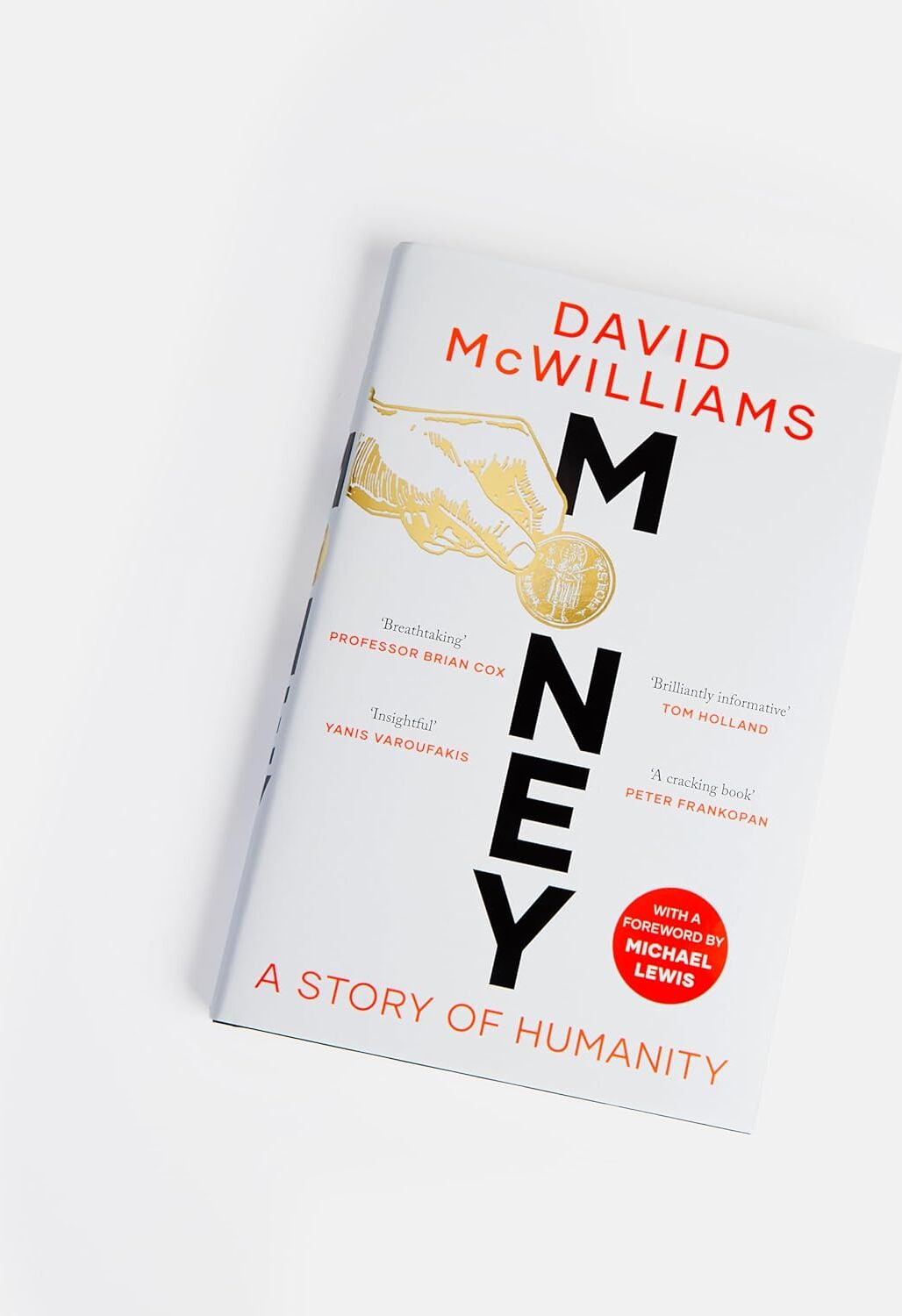
Simon & Schuster Money: A Story of Humanity by David McWilliams Economic History & Global Finance ExplainedIn Money: A Story of Humanity, renowned economist David McWilliams explores the fascinating history of money — not just as currency, but as a powerful force that has shaped human civilisation, relationships, technology, and global society. From ancient barter systems to cryptocurrency revolutions, McWilliams reveals how money reflects our values, ambitions, fears, politics, and culture.Rich with storytelling, sharp insights, and humour, this book makes complex economic ideas accessible, engaging, and deeply human. Perfect for readers who enjoy exploring how history, psychology, markets, and power intersect, Money: A Story of Humanity provides a fresh, eye-opening look at how money drives — and is driven by — human behaviour. Ideal for fans of Yuval Noah Harari, Tim Harford, Niall Ferguson, and Mary Beard.7,99 £*Shipping: 2,99 £Secure redirect to the provider



-
What does Friedman's theory of money supply say?
Friedman's theory of money supply, also known as the quantity theory of money, posits that changes in the money supply directly impact the price level in an economy. According to Friedman, an increase in the money supply will lead to inflation, while a decrease will result in deflation. He believed that controlling the money supply was crucial for maintaining stable prices and promoting economic growth. Friedman's theory has influenced central banks in their monetary policy decisions, emphasizing the importance of managing the money supply to achieve macroeconomic stability. **
-
What does Friedman's theory of money supply state?
Friedman's theory of money supply, also known as the quantity theory of money, states that the total amount of money in circulation in an economy directly affects the price level of goods and services. According to Friedman, changes in the money supply lead to proportional changes in the price level, assuming that other factors remain constant. This theory suggests that controlling the money supply is crucial for maintaining stable prices and preventing inflation or deflation. Friedman's theory has influenced monetary policy in many countries, emphasizing the importance of managing the money supply to achieve economic stability. **
-
Why do prices rise when the money supply increases?
Prices tend to rise when the money supply increases because there is more money available in the economy to spend on goods and services. This increased demand can lead to higher prices as businesses may raise their prices in response to the increased purchasing power of consumers. Additionally, an increase in the money supply can also lead to inflation, which further erodes the purchasing power of money and causes prices to rise. **
-
What happens when the ECB increases the money supply?
When the ECB increases the money supply, it typically does so by implementing expansionary monetary policy measures such as lowering interest rates or engaging in quantitative easing. This increase in the money supply aims to stimulate economic activity by making borrowing cheaper and increasing liquidity in the financial system. As a result, businesses and consumers may increase their spending, leading to higher investment, consumption, and overall economic growth. However, increasing the money supply can also lead to inflation if the economy overheats, so the ECB must carefully monitor and adjust its policies accordingly. **


What are the factors influencing the demand and supply of money?
The demand for money is influenced by factors such as interest rates, income levels, inflation expectations, and the overall level of economic activity. Higher interest rates typically reduce the demand for money as the opportunity cost of holding money increases. Conversely, lower interest rates can stimulate demand for money as the cost of holding money decreases. On the supply side, factors such as central bank policies, banking regulations, and the level of economic growth can influence the amount of money available in the economy. Central banks can adjust the money supply through open market operations, reserve requirements, and setting interest rates to achieve their monetary policy objectives. **
What happens when the money supply is increased by the ECB?
When the money supply is increased by the European Central Bank (ECB), it means that there is more money available in the economy. This can lead to lower interest rates, making it cheaper for businesses and individuals to borrow money. As a result, there is increased spending and investment in the economy, which can stimulate economic growth. However, an increase in the money supply can also lead to inflation if the increase in spending outpaces the increase in production, causing prices to rise. Therefore, the ECB carefully monitors and adjusts the money supply to maintain price stability and support economic growth. **
Top-Angebote
Products related to Money supply:
-
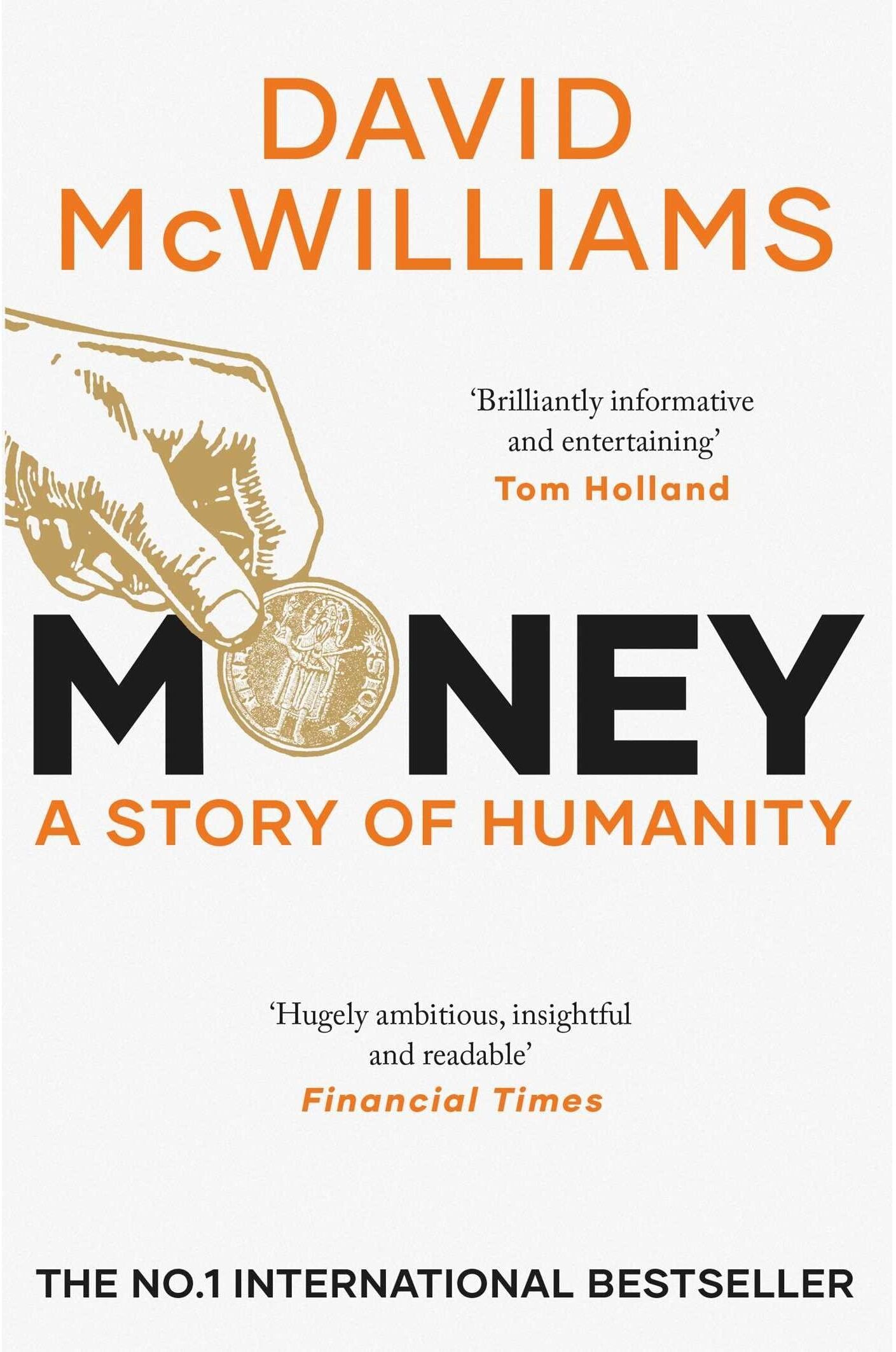
Simon & Schuster Money: A Story of Humanity by David McWilliams - Hardback Non Fiction Economics Book - 5,000 Years of Money, History & Human IngenuityMoney: A Story of Humanity by David McWilliams is a sweeping and entertaining account of the object that has shaped civilization. Economist David McWilliams reveals how money has driven human ingenuity, sparked revolutions, built empires, and widened inequality. This hardback book explores the relationship between humans and money across five thousand years, from clay tablets in Mesopotamia to coins in Ancient Greece, mathematics in the medieval Arab world, the financial chaos of the French Revolution, and the invention of the modern financial systems. A Radio 4 Book of the Week and Financial Times Book of the Year, this book is essential reading for anyone curious about how currency really works and its significance in today's economy. Published by Simon & Schuster UK, this book is a BRAND NEW hardback edition with ISBN 9781471195433.21,99 £*Shipping: 2,99 £Secure redirect to the provider
-
Simon & Schuster Money: A Story of Humanity by David McWilliams Economic History & Global Finance ExplainedIn Money: A Story of Humanity, renowned economist David McWilliams explores the fascinating history of money — not just as currency, but as a powerful force that has shaped human civilisation, relationships, technology, and global society. From ancient barter systems to cryptocurrency revolutions, McWilliams reveals how money reflects our values, ambitions, fears, politics, and culture.Rich with storytelling, sharp insights, and humour, this book makes complex economic ideas accessible, engaging, and deeply human. Perfect for readers who enjoy exploring how history, psychology, markets, and power intersect, Money: A Story of Humanity provides a fresh, eye-opening look at how money drives — and is driven by — human behaviour. Ideal for fans of Yuval Noah Harari, Tim Harford, Niall Ferguson, and Mary Beard.7,99 £*Shipping: 2,99 £Secure redirect to the provider
-
What is the money supply?
The money supply refers to the total amount of money in circulation within an economy at a given time. It includes physical currency, such as coins and banknotes, as well as demand deposits in banks and other liquid assets. The money supply is an important indicator for understanding the overall health of an economy and is closely monitored by central banks to help regulate economic activity. Changes in the money supply can impact inflation, interest rates, and overall economic growth. **
-
What is a money supply-driven inflation?
A money supply-driven inflation occurs when the overall price level in an economy rises due to an increase in the money supply. This can happen when the central bank prints more money or lowers interest rates, leading to more money circulating in the economy. As the amount of money in circulation increases, consumers have more purchasing power, which can drive up demand for goods and services. This increased demand can then lead to higher prices, causing inflation. **
-
What does Friedman's theory of money supply say?
Friedman's theory of money supply, also known as the quantity theory of money, posits that changes in the money supply directly impact the price level in an economy. According to Friedman, an increase in the money supply will lead to inflation, while a decrease will result in deflation. He believed that controlling the money supply was crucial for maintaining stable prices and promoting economic growth. Friedman's theory has influenced central banks in their monetary policy decisions, emphasizing the importance of managing the money supply to achieve macroeconomic stability. **
-
What does Friedman's theory of money supply state?
Friedman's theory of money supply, also known as the quantity theory of money, states that the total amount of money in circulation in an economy directly affects the price level of goods and services. According to Friedman, changes in the money supply lead to proportional changes in the price level, assuming that other factors remain constant. This theory suggests that controlling the money supply is crucial for maintaining stable prices and preventing inflation or deflation. Friedman's theory has influenced monetary policy in many countries, emphasizing the importance of managing the money supply to achieve economic stability. **
Similar search terms for Money supply
-
GATES ANTK1178 Hose, air supplyMaterial: Silicone; Colour: green; Hose Length [mm]: 19; Inner Diameter 1 [mm]: 40; Inner Diameter 2 [mm]: 40; Required quantity: 4; Air Supply Hoses/Pipes: from intake manifold top to intake manifold bottom; Construction Year from: 05/1999, 06/2003, 11/2007, 04/2004, 08/2005, 01/2008, 12/2009, 01/2005; Construction Year to: 05/2007, 08/2012, 05/2015, 08/2010, 11/2008, 03/2013, 10/2011, 11/2012; TecDoc Engine Number: 17466, 16871, 20711, 18223, 18222, 20780, 17352, 18245; Vehicle type: A3, Caddy, Caddy Maxi, A3 Sportback5,29 £*Shipping: 8,45 £Secure redirect to the provider
-
Why do prices rise when the money supply increases?
Prices tend to rise when the money supply increases because there is more money available in the economy to spend on goods and services. This increased demand can lead to higher prices as businesses may raise their prices in response to the increased purchasing power of consumers. Additionally, an increase in the money supply can also lead to inflation, which further erodes the purchasing power of money and causes prices to rise. **
-
What happens when the ECB increases the money supply?
When the ECB increases the money supply, it typically does so by implementing expansionary monetary policy measures such as lowering interest rates or engaging in quantitative easing. This increase in the money supply aims to stimulate economic activity by making borrowing cheaper and increasing liquidity in the financial system. As a result, businesses and consumers may increase their spending, leading to higher investment, consumption, and overall economic growth. However, increasing the money supply can also lead to inflation if the economy overheats, so the ECB must carefully monitor and adjust its policies accordingly. **
-
What are the factors influencing the demand and supply of money?
The demand for money is influenced by factors such as interest rates, income levels, inflation expectations, and the overall level of economic activity. Higher interest rates typically reduce the demand for money as the opportunity cost of holding money increases. Conversely, lower interest rates can stimulate demand for money as the cost of holding money decreases. On the supply side, factors such as central bank policies, banking regulations, and the level of economic growth can influence the amount of money available in the economy. Central banks can adjust the money supply through open market operations, reserve requirements, and setting interest rates to achieve their monetary policy objectives. **
-
What happens when the money supply is increased by the ECB?
When the money supply is increased by the European Central Bank (ECB), it means that there is more money available in the economy. This can lead to lower interest rates, making it cheaper for businesses and individuals to borrow money. As a result, there is increased spending and investment in the economy, which can stimulate economic growth. However, an increase in the money supply can also lead to inflation if the increase in spending outpaces the increase in production, causing prices to rise. Therefore, the ECB carefully monitors and adjusts the money supply to maintain price stability and support economic growth. **
* All prices are inclusive of VAT and, if applicable, plus shipping costs. The offer information is based on the details provided by the respective shop and is updated through automated processes. Real-time updates do not occur, so deviations can occur in individual cases. ** Note: Parts of this content were created by AI.